Industrial safety engineering · Oxfordshire & UK-wide

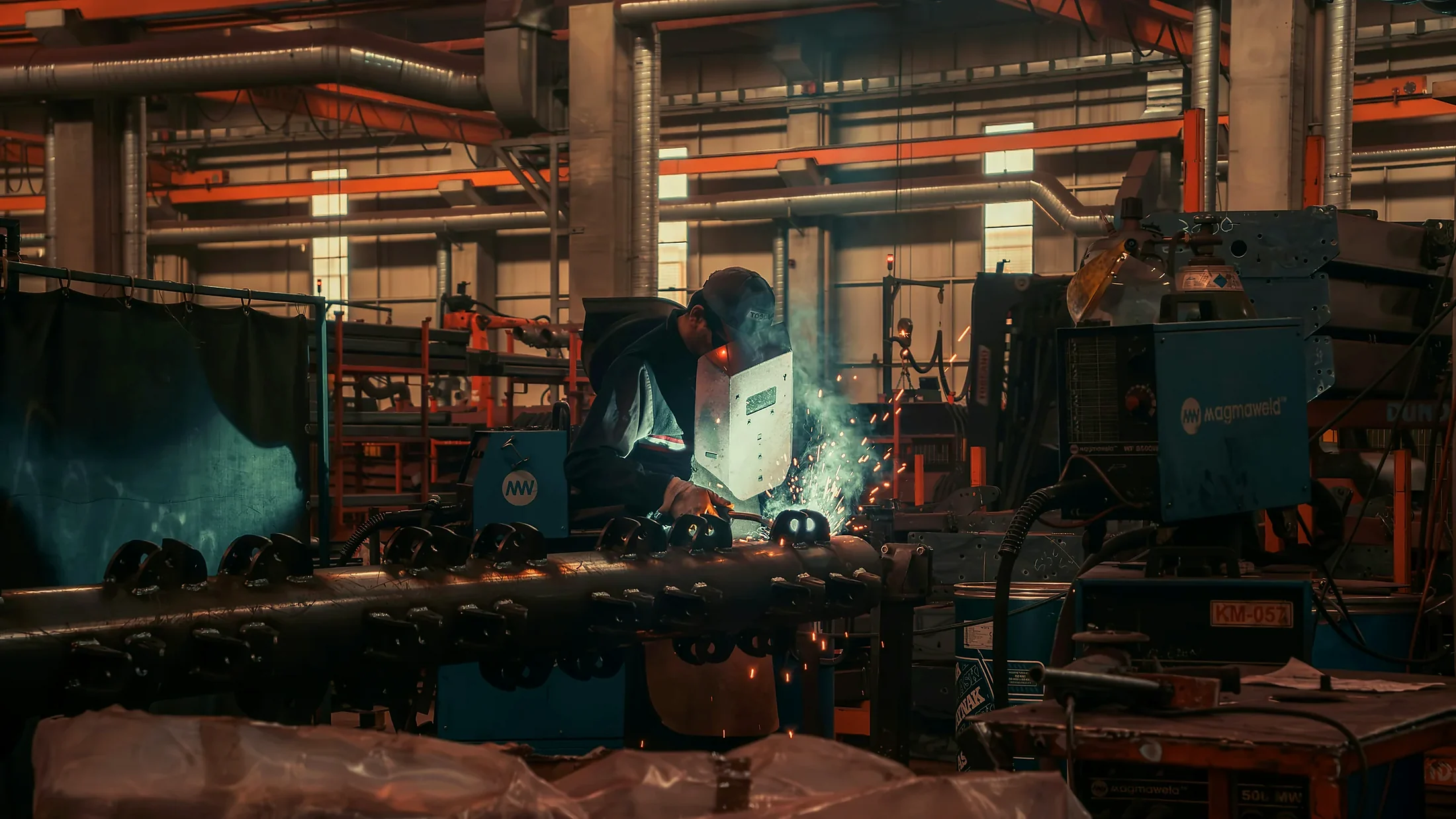
Industrial metal fabrication workshop

Survey to handover

Machine guard design, manufacture & installation.

One controlled engineering pathway that connects the hazard, machine geometry, production task, physical guarding and agreed safety-system interfaces.

A controlled process

Evidence before fabrication.

Bespoke guarding succeeds when the project starts with the machine and the work people need to perform—not a panel catalogue.

The stages below create clear review points. Exact deliverables depend on the project boundary and are stated in the quotation so mechanical guarding, control modifications, installation and validation responsibilities remain visible.

01

Initial project review

Start with photographs, dimensions, hazard information, required access and the production context. We identify whether a desktop review or site visit is the right next step.

  • Information request
  • Likely project boundary
  • Survey recommendation
02

Site survey & dimensional capture

Review the machine, surrounding floor area, access routes, product movement, operator tasks, control behaviour and practical installation constraints.

  • Measured machine context
  • Task and access review
  • Interface record
03

Guarding concept

Develop the physical guard line, fixed and movable panels, maintenance access and the approach to interlocking or presence sensing where required.

  • Concept layout
  • Material strategy
  • Access architecture
04

Detailed design & review

Define frames, panels, doors, hardware, fixings, finishes and agreed safety-device interfaces. Review the arrangement before manufacture begins.

  • Design drawings
  • Component schedule
  • Scope confirmation
05

Manufacture & finishing

Fabricate the agreed steel, stainless-steel, mesh and clear-panel elements, including frames, brackets, doors and removable sections.

  • Fabricated guard package
  • Specified finish
  • Pre-installation review
06

Installation & handover

Install within the agreed shutdown and site constraints, complete the included functional checks and transfer the specified drawings and records.

  • Installed guarding
  • Agreed checks
  • Handover information

Prepare for the first review

Information that improves the proposal.

Do not wait until every detail is known. A few clear photographs and a short explanation are often enough for us to identify the next useful step.

01

Overall photographs

Show the complete machine, nearby floor area and how material enters and leaves.

02

Hazard & access

Identify dangerous movement and the tasks that require people to approach or enter.

03

Machine behaviour

Explain stopping, run-down, stored energy and what the current guards or controls do.

04

Project constraints

Include postcode, shutdown windows, hygiene needs, access routes and target timescale.

Scope clarity

Mechanical guard only or integrated safety modification?

A physical guard can affect access, visibility, stopping and control behaviour. Where doors, interlocks, guard locking, reset controls or machine-control changes are involved, the interfaces and responsibilities need to be defined explicitly.

We explain what is included, what information is required from the machine owner and what testing or documentation forms part of the agreed handover.

Start with the machine and the task

Start with photographs, the access task and the hazard.

Send photographs, dimensions or a short description of the machine. We will help define the survey, design and installation scope.

Review the largest maintenance task before approving the guard

A guard can fit the machine perfectly and still make an essential maintenance task impractical. Before approving the design, identify the largest item that must pass through or around it: a motor, tooling assembly, roller, removable tank or change part. Show its complete removal route rather than only the position where an engineer stands.

Use the proposed layout to review that task with maintenance and production staff. Include the handling equipment, open-door envelope, disconnected services and temporary space required for the removed item. Distinguish routine operator access from planned maintenance under the site's approved isolation arrangements. This helps the designer decide which access belongs in the everyday door layout and which needs an engineered removable section.

Record the agreed task against the relevant drawing and access point. If the installation changes during manufacture or fitting, revisit that route before handover. The result is a clearer quotation and fewer surprises during the first service visit. For an initial review, send a photograph of the component to be removed, its approximate envelope and a sketch showing where it must travel.

What maintenance information helps a bespoke guarding quotation?

Identify the largest removable component, its removal direction, handling equipment and required working space, alongside normal access tasks.

Should every maintenance opening be a routine access door?

No. The appropriate arrangement follows access frequency, the task and the machine-specific safeguarding and isolation strategy.