
Hazards covered at source
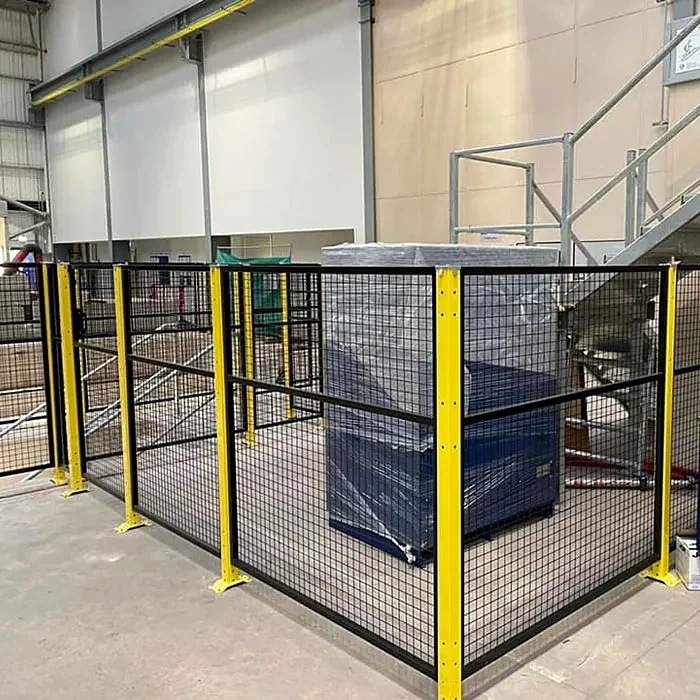
Fixed and movable panels are shaped around drives, rollers, nip points, returns, transfers and other accessible dangerous parts.
Conveyors & transfer systems
Purpose-designed guarding for belts, rollers, drives, transfer points and connected machinery—planned around operation, cleaning, blockage recovery and maintenance.
 BMG / SOL
Direct answer
Conveyor guarding prevents access to hazards such as in-running nip points, rotating drives, tensioners, moving belts and transfer interfaces. Effective designs also consider falling or ejected product, cleaning, foreseeable blockage clearing and safe maintenance access.
The final safeguard must follow the machine-specific risk assessment, intended use and agreed modification scope.
Project outcomes
Physical construction, access and safety interfaces are developed together so the guard does not create avoidable operating or maintenance problems.
Fixed and movable panels are shaped around drives, rollers, nip points, returns, transfers and other accessible dangerous parts.
Tool-removable panels, hinged guards or monitored doors can support cleaning, inspection and maintenance without normalising guard removal.
Powder-coated steel, stainless steel, mesh, sheet and transparent panels can be combined around hygiene, visibility and containment needs.
Design brief
These questions turn a broad guarding request into a machine-specific scope that can be reviewed, manufactured and installed.
Typical applications
Frequently asked
Concise project guidance for specifiers, engineers and dutyholders. The actual machine review determines the final approach.
Ask the engineering teamAccessible nip points, transmission parts, drives, rollers, tensioners and hazardous interfaces commonly require safeguarding. The assessment must also consider product flow, spillage and how people clear faults or clean the equipment.
Where routine access is needed, the design may use hinged, tool-removable or interlocked guards. The chosen arrangement should support the task while controlling access to dangerous movement and unexpected restart.
Mesh supports airflow and visibility, sheet can contain product or swarf, clear panels improve observation, and stainless steel suits many hygienic environments. Mixed-material designs are common.
Yes. Existing conveyors can be surveyed to identify accessible hazards, missing panels, awkward access and line interfaces before replacement or additional guards are designed.
Start with the machine and the task
Send photographs, dimensions or a short description. We will help define the survey, design and installation scope.